- April 16, 2025
- 12:06 pm
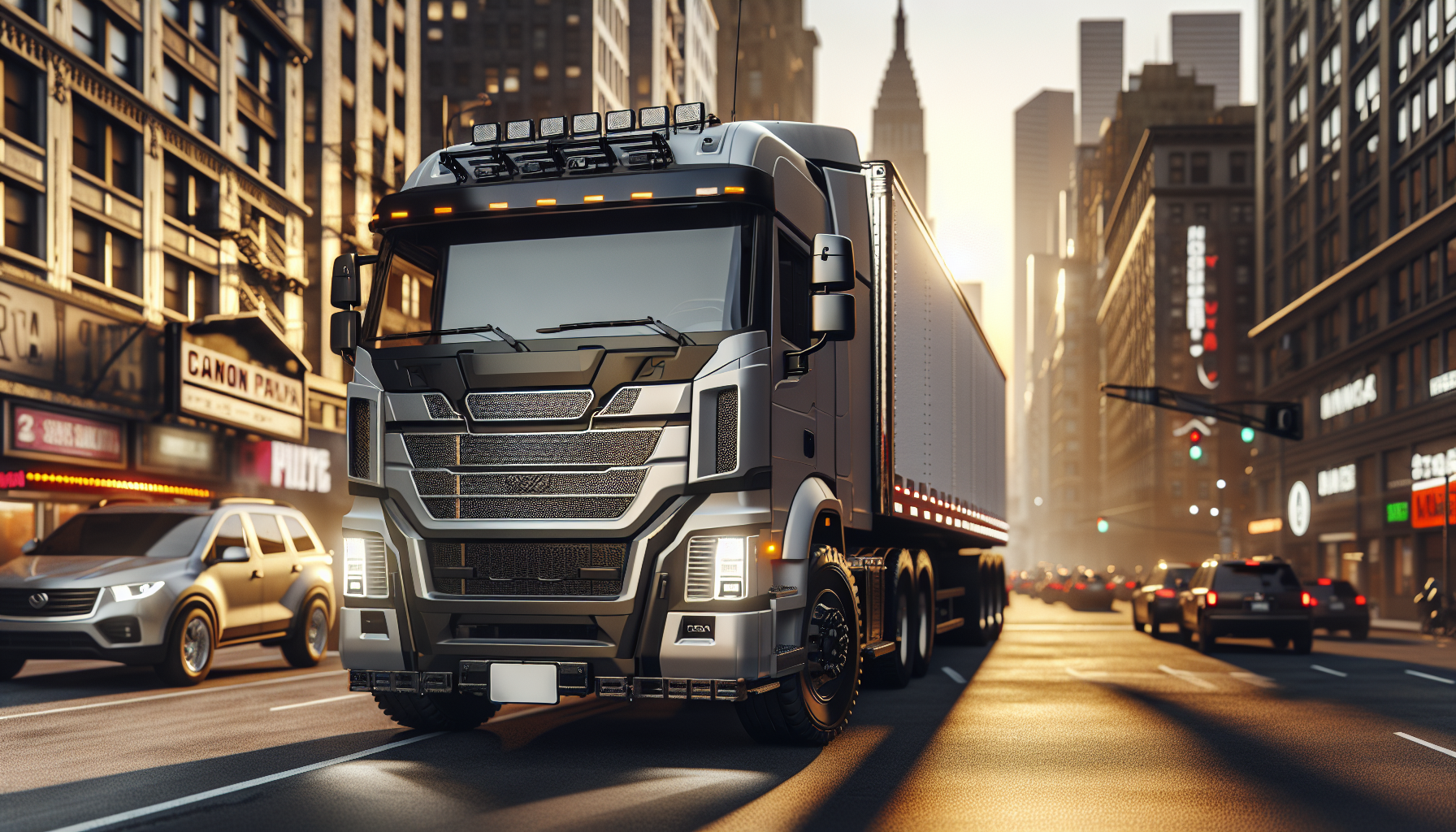
Commercial trucks are essential vehicles in various industries for transporting goods efficiently. In this article, we will delve into the different types of commercial trucks, their common features, benefits, and maintenance tips.
Overview of Commercial Trucks
Commercial trucks are large vehicles designed for transporting goods and materials for business purposes. These trucks play a crucial role in logistics and are used across a wide range of industries for moving products from one place to another.
Definition of Commercial Trucks
Commercial trucks, also known as semi-trailer trucks, tractor-trailer rigs, or 18-wheelers, are trucks used to transport goods, as opposed to passengers. These trucks typically have a separate cab and trailer for cargo, allowing for the transportation of large quantities of products.
Types of Commercial Trucks
There are various types of commercial trucks, each designed for specific purposes to cater to different transportation needs.
Delivery Trucks
Delivery trucks are commonly used for transporting goods directly to consumers or businesses. These trucks are often seen making deliveries for e-commerce companies, food services, and courier services.
Tow Trucks
Tow trucks are specialized vehicles used for towing disabled or improperly parked vehicles. These trucks come in different sizes and configurations to accommodate various towing needs.
Dump Trucks
Dump trucks are used for transporting loose materials such as sand, gravel, or demolition waste. These trucks are equipped with a hydraulic lift to dump their cargo at the desired location.
Refrigerated Trucks
Refrigerated trucks, also known as reefer trucks, are designed to transport perishable goods such as food and pharmaceuticals at controlled temperatures. These trucks are equipped with refrigeration units to maintain the integrity of the cargo.
Common Features of Commercial Trucks
Commercial trucks come with a set of features that make them reliable and efficient for transportation purposes.
Payload Capacity
One of the essential features of commercial trucks is their payload capacity, which determines the maximum weight of the cargo they can carry. The payload capacity varies depending on the type and size of the truck.
Fuel Efficiency
Fuel efficiency is crucial for commercial trucks to reduce operational costs. Many trucks are designed with fuel-efficient engines and aerodynamic features to optimize fuel consumption.
Safety Features
Commercial trucks are equipped with advanced safety features such as airbags, antilock brakes, and stability control systems to ensure the safety of the driver and the cargo.
Benefits of Commercial Trucks
Commercial trucks offer several benefits for businesses looking to transport goods efficiently.
Cost-Effectiveness
Investing in commercial trucks can be cost-effective for businesses that require regular transportation of goods. Owning a truck can eliminate the need for outsourcing transportation services, saving money in the long run.
Versatility
Commercial trucks are versatile vehicles that can be customized to suit different transportation needs. From refrigerated trucks for perishable goods to flatbed trucks for oversized cargo, there is a truck for every type of transport requirement.
Customization Options
Commercial trucks can be customized with various features and accessories to enhance their functionality and efficiency. Businesses can add specialized equipment such as lift gates, ramps, or custom storage solutions to meet their specific needs.
Maintenance Tips for Commercial Trucks
Proper maintenance is essential to ensure the longevity and performance of commercial trucks.
Regular Inspections
Schedule regular inspections to check for any signs of wear and tear, fluid leaks, or mechanical issues. Timely inspections can help prevent breakdowns and ensure the truck is always in optimal condition.
Fluid Checks and Changes
Regularly check and change the fluids in the truck, including engine oil, transmission fluid, coolant, and brake fluid, to keep the truck running smoothly and prevent engine damage.
Tire Maintenance
Inspect the tires regularly for wear and tear, proper inflation, and alignment. Proper tire maintenance can improve fuel efficiency, handling, and overall safety on the road.
Engine Care
Follow the manufacturer’s recommended maintenance schedule for engine care, including oil changes, filter replacements, and tune-ups. A well-maintained engine is essential for the truck’s performance and longevity.
Conclusion
Commercial trucks are indispensable assets for businesses in need of reliable transportation solutions. Understanding the different types of commercial trucks, their features, benefits, and maintenance requirements is crucial for optimizing their use and ensuring efficient operations.
For all your commercial truck needs, financing options, trade-ins, and more, contact Tregembo Motors today at b_buddy447@hotmail.com or 724-239-2200. Our team is here to provide expert assistance and help you find the perfect commercial truck for your business.